The Future of Accounting Operations
The accounting industry is evolving faster than ever before. Changes in technology, client expectations, and regulatory requirements are transforming how accounting firms operate.
In the past, accounting work was heavily focused on manual processes and compliance-based services. Accountants spent a large portion of their time entering data, organizing financial records, and preparing reports.
Today, the industry is moving toward a more strategic and technology-driven model.
Modern accounting firms are expected to provide deeper financial insights, faster reporting cycles, and more proactive advisory services to their clients. This shift requires firms to rethink how their operational systems are structured.
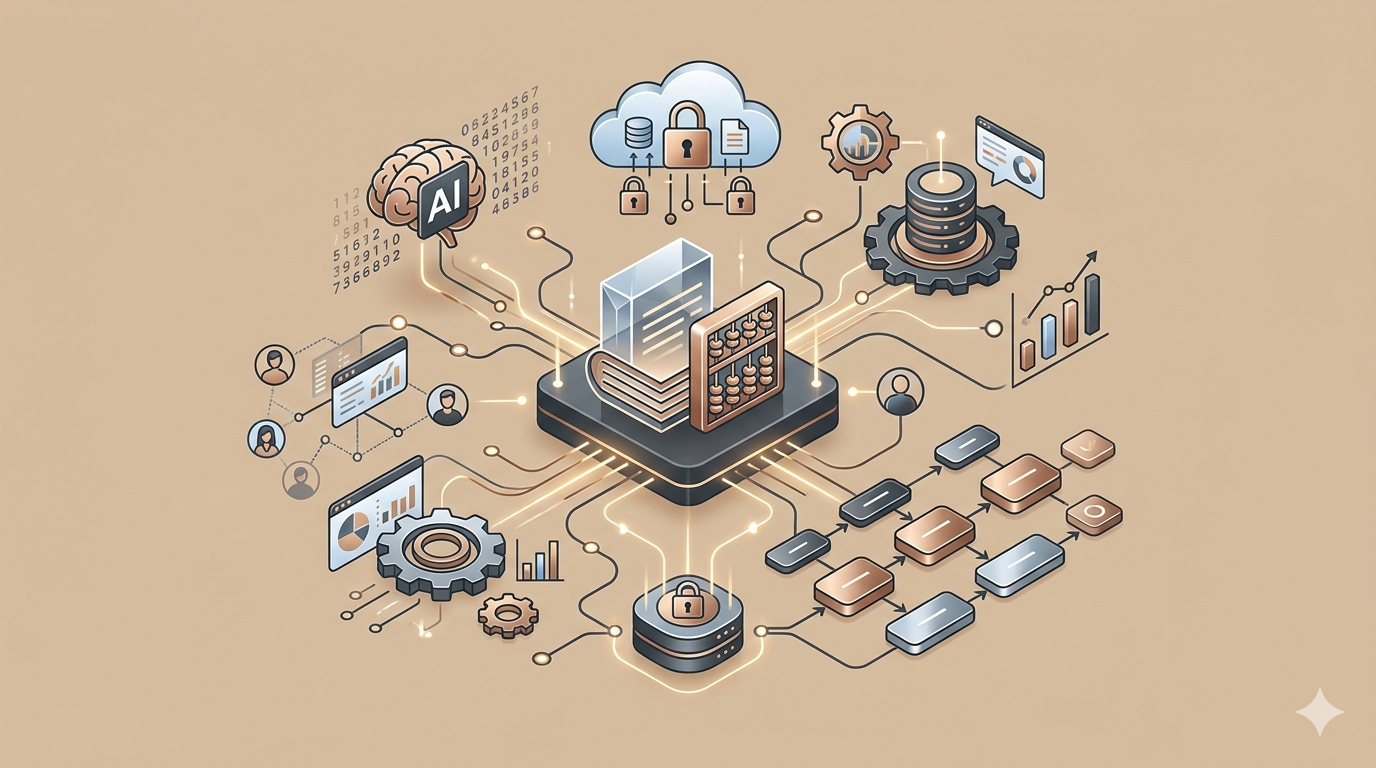
The future of accounting operations will depend on a combination of efficient processes, advanced technology, and well-structured execution support.
**1. Automation Will Handle Routine Tasks**
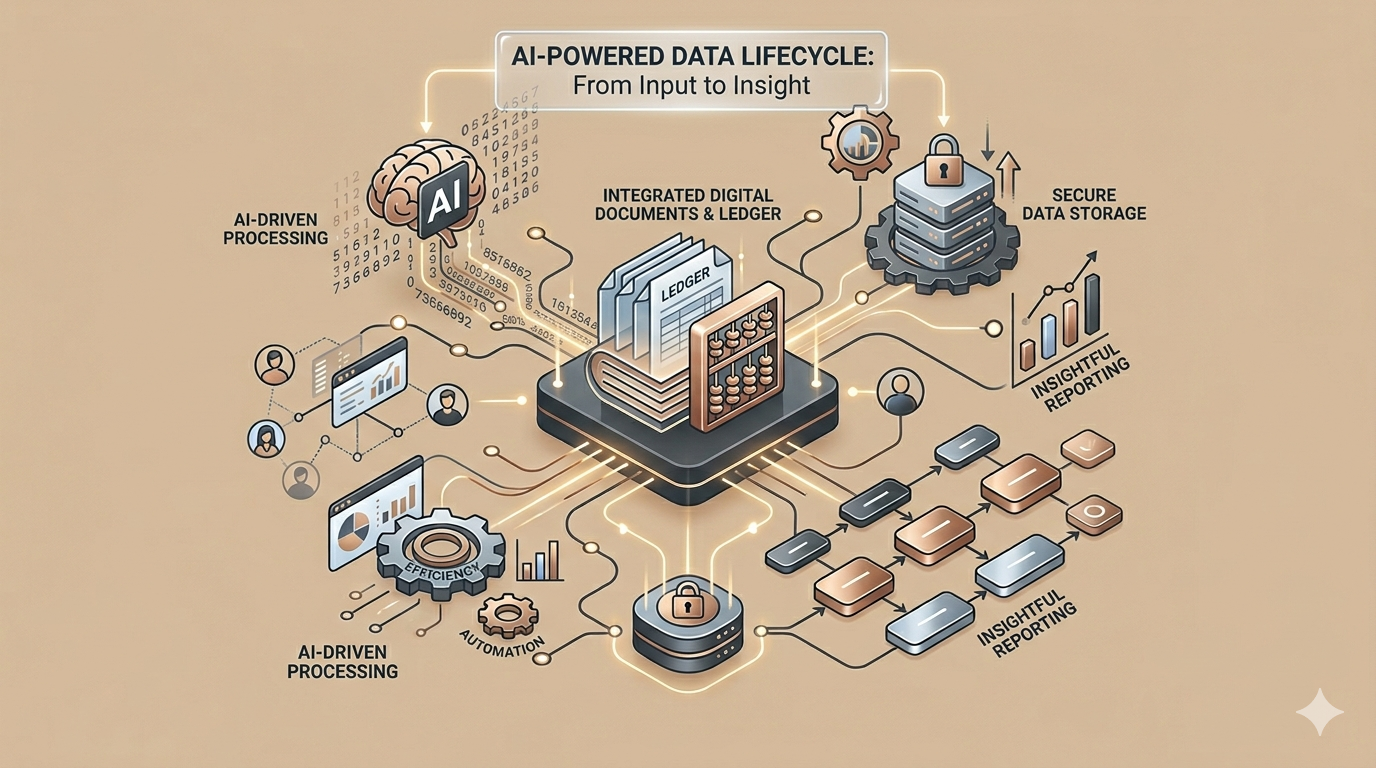
One of the most noticeable changes in accounting operations is the growing role of automation.
Modern accounting software can automatically categorize transactions, reconcile accounts, and generate financial reports. These tools reduce the amount of manual work required from accounting professionals.
Instead of spending hours on repetitive tasks, accountants can review automated outputs and focus on higher-level analysis.
Automation improves accuracy and helps firms complete operational tasks more efficiently.
**2. Data-Driven Decision Making**
Accounting firms are increasingly expected to provide financial insights rather than just financial reports.
Businesses want their accountants to help them understand cash flow trends, financial performance, and strategic opportunities.
This shift requires accounting professionals to spend more time analyzing financial data and communicating insights to clients.
Operational systems must therefore be designed in a way that supports quick access to reliable financial information.
**3. Client Expectations Are Changing**
Clients today expect more than traditional compliance services.
They want their accounting firms to provide timely updates, clear financial insights, and proactive recommendations.
Meeting these expectations requires efficient internal processes and strong communication systems.
Accounting firms that adapt to these expectations will be better positioned to build long-term client relationships.
**4. Flexible Workforce Models**
Another trend shaping the future of accounting operations is the development of flexible workforce models.
Many firms are exploring operational structures that combine internal teams with external execution support.
This allows firms to increase their capacity when needed while maintaining a focused internal team that handles review, strategy, and client communication.
Flexible workforce models help firms adapt to changing workloads and client demands.
**5. Focus on Strategic Services**
As operational processes become more efficient, accounting professionals can dedicate more time to strategic services.
These services may include financial advisory, performance analysis, and long-term planning support.
By expanding into these areas, accounting firms can provide greater value to their clients.
**Key Points Summary**
- Automation is reducing manual accounting tasks.
- Accounting firms are focusing more on financial insights and advisory services.
- Client expectations for faster reporting are increasing.
- Flexible workforce models support operational efficiency.
- Strategic services will play a larger role in the future of accounting.
**Conclusion**
The future of accounting operations will be defined by efficiency, technology integration, and strategic expertise.
Firms that adapt to these changes will be better equipped to manage increasing workloads while delivering higher-value services to their clients.
By improving operational systems and embracing modern tools, accounting firms can create a more productive and scalable business model.